
The Allure of Risk and Reward
At the heart of casino gambling lies a fascinating interplay between risk and reward that captivates players. This relationship stimulates the brain’s reward systems, often leading to a thrill that can be addictive. When individuals engage in gambling, they experience a surge of dopamine, a neurotransmitter associated with pleasure and satisfaction. The anticipation of winning a jackpot or hitting the right combination on a slot machine creates an exhilarating rush, often overshadowing the potential losses involved. Many players explore options like online pokies real money to enhance their experience, as this euphoric experience can foster a desire to continue gambling, as players become increasingly focused on the next potential reward.
Moreover, the uncertainty inherent in gambling adds an additional layer of excitement. The human brain is wired to seek out new experiences, and the unpredictable nature of games such as roulette or blackjack provides a perfect setting for this exploration. Players may find themselves returning again and again, motivated by the belief that they can harness luck or improve their skills. This belief can further feed the psychological cycle of risk-taking behavior, as individuals often convince themselves that they have the ability to influence outcomes, despite the random nature of the games.
This phenomenon is not simply about chance; it involves a complex psychological reward mechanism that hooks individuals into continued participation. The more they engage, the more they succumb to cognitive biases such as overconfidence and the gambler’s fallacy, where they mistakenly believe they can predict or influence outcomes. Understanding these factors reveals why many people are drawn to the casino environment, despite the associated risks, highlighting the intricate balance between hope and reality that defines the gambling experience.
The Role of Environment in Gambling Behavior
The casino environment is carefully crafted to enhance the gambling experience and draw players in. From the moment individuals step inside, they are enveloped in a sensory-rich atmosphere designed to provoke excitement. The sounds of slot machines chiming, the flashing lights, and the enticing scents of food and drinks create an immersive experience that heightens the sense of anticipation and thrill. This carefully curated environment engages the senses in a way that keeps players enthralled, making it easy to lose track of time and money.
Besides the sensory elements, casinos strategically design their layouts to encourage prolonged play. Gaming tables and machines are often positioned to reduce sightlines to exits, making it less likely for players to notice the passage of time or feel the urge to leave. This manipulation of the physical space, combined with the constant availability of alcohol and entertainment, creates an environment where one can easily lose track of time and money, leading to impulsive gambling decisions. The layout encourages a continuous cycle of play, reinforcing the allure of the games and increasing the likelihood of repeated visits.
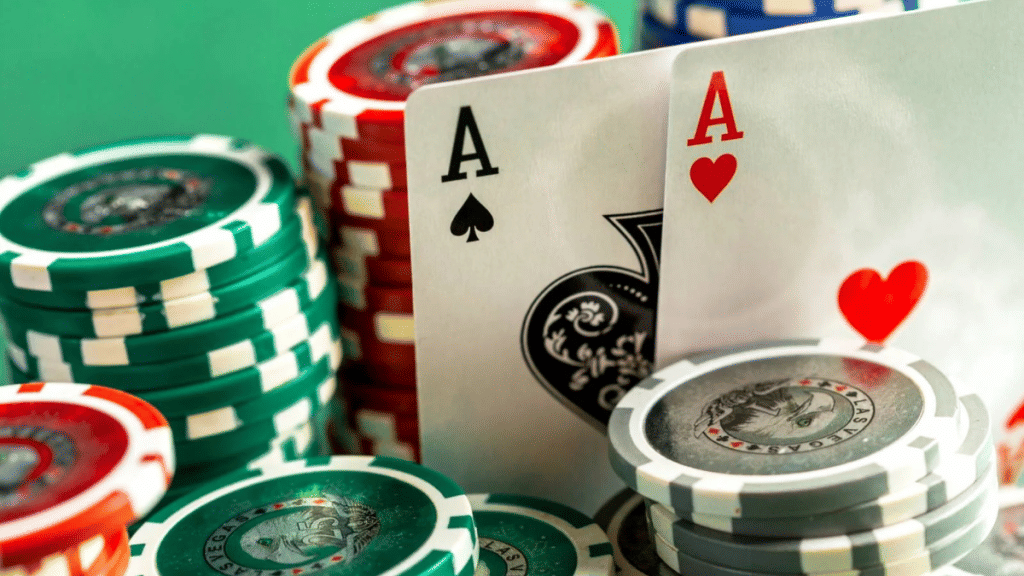
The psychological impact of such an environment cannot be overstated. Players often feel a sense of belonging in the lively casino atmosphere, which can foster social connections and shared experiences. However, this same environment can contribute to problematic gambling behavior, as individuals may prioritize the thrill of the game over their financial well-being. The allure of the casino is a potent mix of psychological manipulation and sensory engagement, creating a space where rational decision-making can quickly be overshadowed by the excitement of the moment.
Cognitive Distortions and Gambling
Cognitive distortions play a significant role in the psychology of gambling. Many players fall victim to misconceptions that distort their understanding of probabilities and outcomes. For example, the illusion of control can lead gamblers to believe that their skill or strategy can influence random outcomes, such as in slot machines or dice games. This faulty thinking can encourage persistent gambling, as individuals chase losses and believe that a win is just around the corner. Such cognitive traps can result in a cycle of loss that is both financially and emotionally damaging.
Another common cognitive distortion is the concept of near-misses. When a player narrowly misses winning, their brains can interpret these experiences as encouraging signs. This can reinforce the behavior, leading to repeated attempts to achieve the elusive victory. Research has shown that these near-miss experiences can be just as stimulating, if not more so, than actual wins, perpetuating the cycle of gambling despite the lack of actual success. The psychological mechanisms behind this phenomenon are powerful, as they often lead players to continue their gambling pursuits in the hope of achieving a win that feels just within reach.
Understanding these cognitive biases is crucial in addressing problem gambling. By fostering awareness of how these distortions influence decision-making, individuals can better manage their gambling behavior. It is essential for both players and support systems to recognize the psychological traps that can lead to financial distress and emotional turmoil, promoting a healthier approach to gambling. Education about these cognitive distortions can empower individuals to distinguish between luck and skill, helping them make more informed choices in their gambling activities.
Addiction and Compulsive Gambling
The psychological mechanisms behind gambling can lead to addiction and compulsive behaviors in susceptible individuals. Gambling addiction is a complex condition that manifests due to a combination of genetic, environmental, and psychological factors. As individuals become increasingly dependent on the excitement and thrill of gambling, they may prioritize it over essential responsibilities and relationships, leading to significant life disruptions. The allure of winning can create a powerful urge that overshadows other aspects of life, resulting in neglect of personal and professional obligations.

Compulsive gamblers often experience intense cravings, withdrawal symptoms, and a compulsion to chase losses. This relentless pursuit can lead to devastating financial consequences, emotional distress, and isolation. The stigma associated with gambling addiction can further exacerbate the problem, preventing individuals from seeking help or admitting they have a problem. The fear of judgment can keep individuals trapped in a cycle of denial, making it difficult for them to confront the reality of their situation.
Addressing gambling addiction requires a multifaceted approach that includes therapy, support groups, and education about the risks of gambling behavior. Cognitive-behavioral therapy, in particular, has shown promise in helping individuals recognize and change maladaptive thought patterns regarding gambling. By providing the right tools and resources, it is possible to support recovery and promote healthier gambling habits. Understanding the complexities of addiction is essential in creating effective treatment plans that cater to the unique needs of each individual.
Your Journey Towards Understanding Gambling
As you delve deeper into the psychology behind casino gambling, gaining a comprehensive understanding of human behavior and decision-making becomes crucial. The exploration of cognitive biases, environmental influences, and addiction patterns offers valuable insights into why people are drawn to gambling in the first place. This knowledge can empower individuals to make informed choices and cultivate a healthier relationship with gambling. Recognizing the psychological factors at play can help demystify the allure of gambling and foster a more balanced perspective.
Additionally, resources are available that provide further information and support for those who may be struggling with gambling behavior. Engaging in discussions, seeking professional help, and accessing educational materials can all contribute to greater awareness and management of gambling-related issues. Understanding the psychological underpinnings of gambling can pave the way for more responsible gaming experiences and allow individuals to enjoy the entertainment aspect without succumbing to its potential dangers. Awareness and education are key components in promoting a healthier approach to gambling.
In conclusion, the psychology behind casino gambling is a multifaceted subject that intertwines elements of risk, reward, environmental triggers, cognitive biases, and addiction. By exploring these components, individuals can better understand not only their own behaviors but also the broader implications of gambling in society. Whether for self-awareness or to aid others, this understanding is vital for navigating the complex world of gambling safely and responsibly. Through informed decisions, one can maintain the enjoyment of gaming while minimizing the risks associated with it.
